
Are you considering Thailand as your next remote work base? Now might be the perfect time because the country has officially opened its doors to digital nomads in a big way.
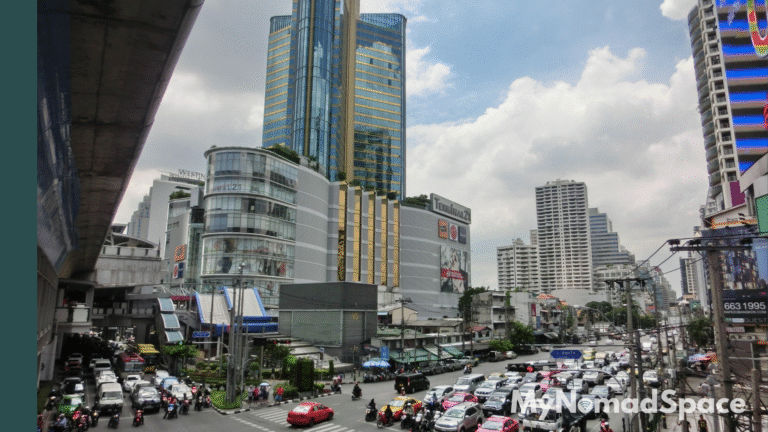
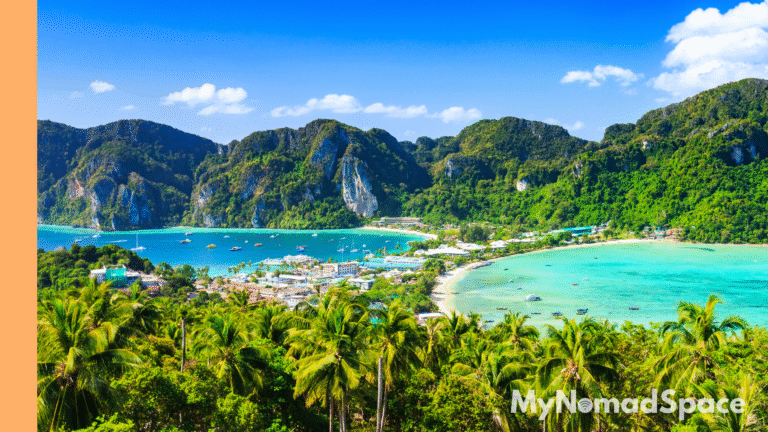
You know that daydream – working from a beach bar in Ko Lanta, coconut on the table, laptop out, the sound of the waves in the background? Or maybe a high-rise apartment in Bangkok, iced Thai tea in hand, skyline in the background? It’s no longer just daydream stuff. With Thailand’s new Destination Thailand Visa (or DTV if we’re keeping it casual), setting up a base here – whether it’s for work, rest or a bit of both – just got a whole lot easier.
If you’re freelancing, working remotely for a company back home, or just thinking it’s time for a change of scene (and maybe six months of Muay Thai and pad kra pao for good measure), this visa could be the nudge you’ve been waiting for.
So, what exactly is the DTV (Destination Thailand Visa)?
In short: it lets you stay in Thailand for up to 180 days at a time, with the option to extend once for another 180 days – so nearly a full year in one go. And the best part? It’s valid for five years, with multiple entries allowed. Come and go as much as you want.
That means no more awkward visa runs or counting down your days on a tourist visa. You can actually settle in somewhere and live life at a pace that feels right for you.
Who can apply?
So here’s the deal – the DTV isn’t just for one type of traveller. It’s for people who want to live in Thailand on their own terms, without needing to land a job with a Thai company. You might be working remotely for your job back home, freelancing for clients all over the world or just building something cool from your laptop.
Or maybe you’re here for the experience itself. Joining a Muay Thai camp, learning to cook Thai food like a pro, diving into yoga or wellness retreats or even staying for medical treatment. And get this – if you’ve got a partner or kids under 20, they can come for the ride too. It’s not just a solo move, it could be the start of a full-on family adventure.
What are the requirements?
It’s surprisingly straightforward. Here’s the gist:
You’re 20 or older
You’ve got at least 500,000 THB (around $14,000 USD/£11,300) in the bank
You apply from outside Thailand (you can’t switch to this visa from inside the country)
You submit a few documents like a passport scan, recent photo, proof of funds and something that shows what you’ll be doing (remote job, freelance portfolio, program enrollment, etc.)
Expect to pay around 10,000 THB for the visa (that’s about £275/$300 USD), and the same again if you want that extra 180-day extension later.
A look at the application process
Once your documents are sorted – passport, photo, proof of funds and so on – you’re ready to get the ball rolling.
The application itself happens online, and it’s all done through Thailand’s official e-visa site. No printing things off or queuing at the embassy, just a few uploads, a payment and then you wait.
Step-by-step guide
Here’s your quick cheat sheet to applying:
Scan your passport – Make sure it’s valid for at least 6 months
Take a recent photo – Just a normal, clear headshot (nothing fancy)
Grab proof of funds – A bank statement showing 500,000 THB (around $14,000/£11,300)
Gather your “why” doc – Could be a work contract, freelance portfolio or proof you’re joining a course in Thailand
Head to the Thai eVisa website
Fill out the form and upload everything
Pay the fee
Submit and chill while it’s being processed
Double-check if the Thai embassy in your country has any extra document requests. Some embassies want to see proof that you live in the country you’re applying from (like a utility bill or lease), especially if you’re applying outside your passport country.
What happens after submitting an application?
You’ll get an email confirming your application. From there, it’s mostly a waiting game – but a short one.
If they need anything else (like a clearer photo or additional paperwork), they’ll let you know. So keep an eye on your inbox.
Approval timeline
In most cases, you’ll hear back within 7 to 14 business days, though that can vary slightly depending on your embassy or the time of year. If you apply during peak travel seasons, give it a bit of buffer.
Once approved, you’ll either get a digital visa or instructions to visit your local consulate for final processing and stamping.
Validity and renewal
The Destination Thailand Visa (DTV) is valid for five years, giving you a solid window to come and go without constantly reapplying. Each time you enter Thailand on the DTV, you can stay for up to 180 days.
And if you’re loving life and want to stretch that stay, you can apply for a one-time 180-day extension – basically turning a half-year into a full year without leaving. To do that, you’ll need to visit a local Thai Immigration Office in person to make the request, but once approved, you’re all set to keep soaking up the sun (or getting deep into that project) a little longer.

What about paying taxes in Thailand?
If you end up staying in Thailand for more than 180 days in a calendar year, you could be considered a tax resident – which means, technically, you might be liable for Thai income tax on your worldwide earnings.
But in reality, how this plays out can vary. A big part of it depends on how you’re getting paid – for example, if you’re using a Thai bank account or working entirely with international clients and accounts.
The safest bet? Talk to a tax advisor who knows the ins and outs of both Thai and international tax laws. You might not owe anything at all, or you may be able to avoid double taxation if your home country has a tax treaty with Thailand.
Questions?
The best place to get the most accurate and up-to-date information is the official visa site: thaievisa.go.th. That’s where you’ll find everything from official requirements to the online application portal, plus any updates if rules change along the way.
If something’s unclear – like uploading documents, understanding specific embassy requests or checking on your application status – your next best move is to get in touch with your nearest Thai embassy or consulate. They can walk you through any country-specific steps or extra documentation you might need, especially if you’re applying from a place that’s not your passport country.
For more personal help, you can also reach out through the contact form on the eVisa website. They typically respond to common application questions and can point you in the right direction if anything’s missing or needs clarification. Some people also prefer to call their local Thai embassy directly. Most have a visa officer who can assist with DTV questions.
But do you even need a visa to stay in Thailand?
If you’re just popping over or planning a shorter stay, you might not need a visa at all. Loads of nationalities get in visa-free for anywhere between 30 to 60 days – it depends on your passport. It’s ideal if you’re just having a nose around, seeing if Thailand fits or floating about with no real schedule.
You can usually extend that time once from within the country, or if you fancy a bit of an adventure, there’s always the classic visa run – nip over the border (Laos, Malaysia, Vietnam, take your pick), then come back in for a fresh stamp. It should be noted that Thailand has started to clamp down on regular visa runs.
That’s why the DTV is such a game-changer – no more counting down days or stressing over stamps. You can actually unpack your bags, learn where to get the best pad see ew and just get into the swing of things.
This article was updated on January 1st, 2026.