
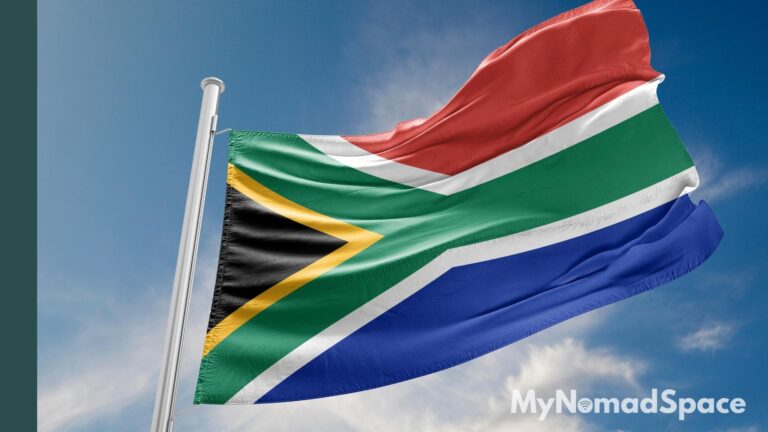
Thinking about making South Africa your next digital nomad base? This African country has been attracting remote professionals for several years now, with many online workers finding a good balance between city life and easy access to nature and adventure during time away from their work devices.
Perhaps Johannesburg has caught your eye, or maybe Cape Town has, with its stunning coastal views. No matter what you have in mind, you’re bound to find somewhere suitable to settle in, experience life in South Africa and get your work done. And with South Africa’s digital nomad visa – the Remote Work Visa – you can make the country your temporary home while continuing to work online.
Here’s everything you need to know about the South Africa digital nomad visa, from how it works to what the application process involves.
In this South Africa digital nomad visa guide
What exactly is the Remote Work Visa?
Launched in 2024, South Africa’s Remote Work Visa is designed for remote employees, entrepreneurs and self-employed professionals who earn their income from outside the country, allowing them to live in South Africa while continuing to work for overseas employers or clients.
South Africa’s digital nomad visa allows remote professionals to base themselves in the country for an extended stay while continuing to work online. It also allows individuals to explore the country in much greater depth than a traditional tourist visit would, fully immersing themselves in local life.
The visa also positions South Africa as a legitimate and attractive option for remote professionals in the digital nomad market. It aims to boost the South African economy by attracting a diverse international workforce of remote workers.
Eligibility for the South Africa digital nomad visa
To qualify for South Africa’s Digital Nomad Visa, applicants must hold a valid passport and have verifiable employment with a recognised foreign company or be self-employed with income sourced outside South Africa. An annual income of at least ZAR 650,976 (around £30,000) is required.
Applicants from countries with active double taxation agreements with South Africa must meet SARS registration requirements if staying more than 183 days within any 12-month period, while those from non-DTA countries are subject to SARS registration regardless of length of stay.
Police clearance certificates from countries of residence exceeding 12 months in the past five years are required. The visa also extends to accompanying spouses or dependents, with proof of comprehensive health or travel insurance, sufficient financial means, and secure accommodation required as part of eligibility.
What do you need to apply?
If you’re applying for South Africa’s Remote Work Visa, you’ll need to prepare a set of supporting documents. This includes a completed and signed application form, along with a statement or supporting documentation outlining the purpose and duration of your stay.
A valid passport is required, with an expiry date of at least 30 days beyond the intended departure from South Africa, as well as a valid return flight ticket or proof of reservation. Two passport sized photos are also required.
Applicants must provide proof of sufficient financial means, defined as a gross annual income of at least ZAR 650,796, supported by three months’ bank statements, along with a valid employment contract signed with a foreign-based employer.
Additional requirements include proof of comprehensive health or travel insurance, sufficient funds to support the duration of the stay and secure accommodation such as a rental agreement or hotel booking. Police clearance certificates are also required from all countries where the applicant has resided for more than 12 months within the past five years.
Proof of payment of the applicable visa fee is also required, and a yellow fever vaccination certificate must be presented if travelling from or transiting through a yellow fever endemic area, unless in direct transit.
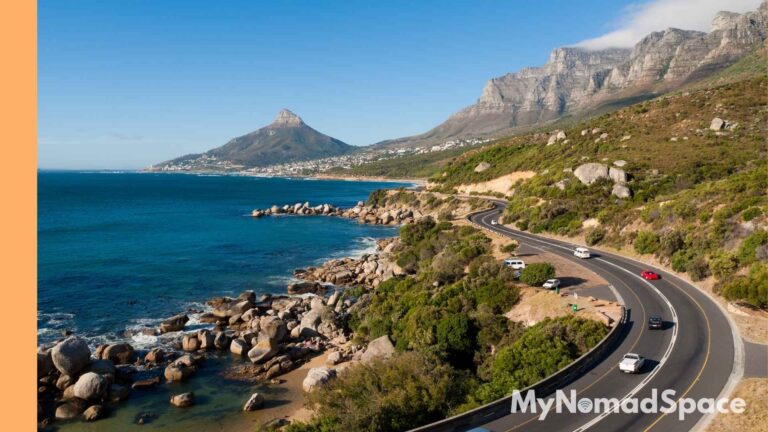
How to apply for the Remote Work Visa
The application for South Africa’s Remote Work Visa is submitted through the official VFS Global application process, which can be accessed online before attending an in-person appointment.
Check eligibility
Applicants should first make sure they meet the core requirements before starting the application.Book an appointment
An appointment must be scheduled at a visa application centre via the official VFS Global system, with centres available in cities around the world.Complete the application form
The official visa application form must be downloaded and completed in full. All information should be accurate and consistent, as errors or missing details can result in delays or refusal.Prepare your documents
Applicants will need to gather the required supporting documents, including a valid passport, proof of income, recent bank statements, employment contract with a foreign employer, police clearance certificates, proof of comprehensive health or travel insurance and evidence of secure accommodation.Attend your appointment
Applications are submitted in person at the chosen visa application centre. Biometrics and a photograph will be taken at the appointment, and the relevant visa and service fees must be paid.Track your application
Once submitted, the application can be followed through the VFS Global tracking system while it is being processed.Collect your visa
If approved, applicants will be notified to collect their passport with the issued visa, or arrange courier delivery where available.
How long can you stay, and can the visa be renewed?
South Africa’s digital nomad visa allows remote professionals to stay for an initial period of up to one year, with the option to renew for additional periods, allowing a total stay of up to three years.
If you plan to remain longer than the initial year, the extension must be applied for while the current visa is still valid. Applicants are generally expected to provide updated proof of continued foreign income and financial stability.
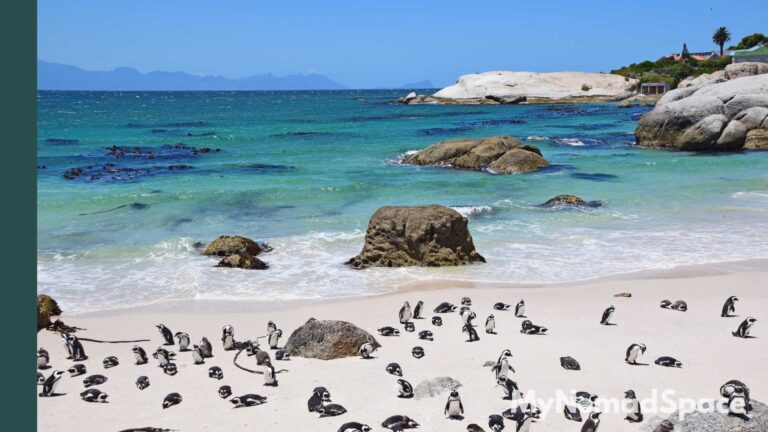
What about paying taxes in South Africa?
Tax obligations under the Remote Work Visa depend on an individual’s tax residency status. If a visa holder spends more than 183 days in South Africa within any 12-month period, they may become a tax resident under South African tax rules.
Tax residents are generally taxed on their worldwide income, while non-residents are taxed only on income sourced within South Africa. In addition, applicants from countries with active double taxation agreements with South Africa may be required to register with the South African Revenue Service (SARS) once they exceed the 183-day threshold, while those from non-DTA countries may be required to register regardless of their length of stay.
As tax residency rules can vary depending on individual circumstances and international agreements, it is important to assess your situation carefully and seek professional tax advice where needed.
Do you even need a visa?
Entry to South Africa is generally straightforward for short-term visits, with many nationalities able to travel visa-free for tourism or brief business trips depending on their passport. Citizens from the UK and Germany, for example, are typically allowed to stay for up to 90 days without a visa.
For those intending to stay longer while working remotely, a standard visitor stay is not sufficient. The South Africa digital nomad visa ultimately provides a legal route for remote professionals to live in the country while continuing to work for overseas employers or clients.
Further assistance
For any questions about the documents needed for South Africa’s Remote Work Visa, it’s best to get in touch directly with the visa application centre or the South African consulate. They can guide you through eligibility criteria, required paperwork and the overall application steps.
You can usually reach them via the contact options listed on the VFS Global website, or by contacting your local South African High Commission or Consulate for advice.
Planning to work remotely from South Africa? Browse our community directory of work-friendly accommodation in South Africa, featuring verified download and upload Wi-Fi speeds. Already found a great place to stay? Help our community of digital nomads and remote workers by adding it to our directory — it’s completely free!

This article was updated on July 23rd, 2026.