
Have you ever found yourself stuck in an office meeting, daydreaming about answering emails from a beachside cafe instead? Or you’ve recently come back from a trip and thought, “Yep, I could totally live there and work from my laptop”? You’re definitely not alone. But that dream of working remotely somewhere outside of your home country could be closer than you think.
The rise of people working remotely around the world isn’t just a trend anymore. It’s a full-blown movement. Over the years, the number of location-independent workers – known as digital nomads – has skyrocketed, growing from just a few hundred thousand to tens of millions globally. And in 2026? That number’s only going up, with WYSE Travel Confederation projecting around 60 million digital nomads by 2030.
We decided to kick off our own journey in March 2022. Why then? Well, after being grounded for a while due to that now-infamous C word (yes, we’re talking about COVID), we realized just how precious time really is. The pandemic made us rethink our priorities and we didn’t want to wait until we were older to start seeing the world.
I bet you’re wondering how we pulled it off. What jobs did we have to make this possible? The answer: a supportive employer and freelancing. It’s definitely achievable, but it requires careful planning, flexibility and a bit of courage to take that leap. With the right skills and mindset, anyone can transform the dream of becoming a digital nomad into reality.
So, how can you become a digital nomad? Let’s go through it all with you.
What is a digital nomad and why become one in 2026?
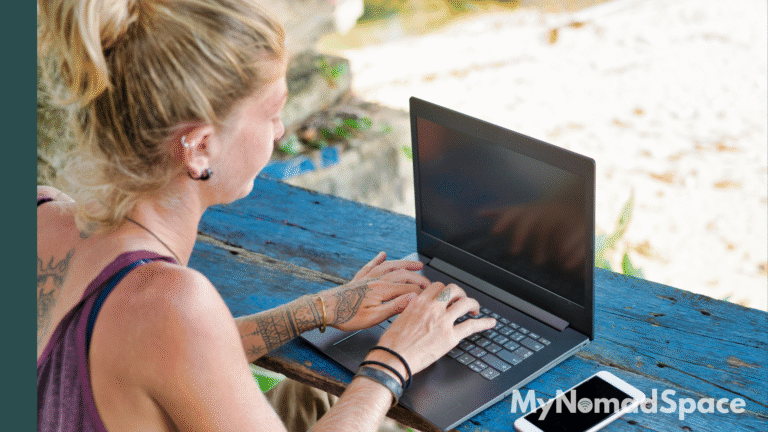
A digital nomad is someone who travels from city to city and country to country, working remotely from their laptop – often in cafes, Wi-Fi-connected apartments or co-working spaces around the world. Some remote workers stay in one place for just a few weeks, while others settle in for longer-term stays.
It’s not just about chasing sunshine and sipping fresh smoothie by the beach (though that’s definitely part of the appeal) – it’s about having the freedom to design a lifestyle that blends work, travel and personal growth on your own terms.
And why 2026? Because the world of remote work has never been more accessible. More companies are going fully remote, tech tools are better than ever and there are communities, digital nomad visas and resources built specifically for this lifestyle.
The skills you need to become a digital nomad
The first question you need to ask yourself is: What current professional skills do I have? Maybe you’re a marketing whiz, a copywriting pro or a social media guru. These skills are in high demand and perfect for the digital nomad lifestyle. Marketing, writing, graphic design, web development – remote jobs in these fields are booming. In fact, many industries now embrace remote work, making it easier than ever to take your career on the road. And, if there’s something you may not be good at, you can always try and learn and upskill.
And if there’s something you’re not quite confident in yet, don’t stress. There’s always room to learn and grow. Upskilling is a big part of the digital nomad journey. Whether it’s picking up a new software, improving your communication skills, or diving into something completely new, the more adaptable you are, the more opportunities you’ll find.
But it’s not just about the work – the digital nomad lifestyle takes some solid planning, too. You’ll want to think about things like budgeting for different cost-of-living destinations, sorting out travel insurance, making sure your tech setup is reliable and having a plan for visas or longer stays.
Oh, and if you’re hopping between time zones? Make sure you’ve got your scheduling and communication game on point. Flexibility is key, but so is being organized – especially when the world doesn’t stop just because you’re working from a beach.

Finding remote jobs that fit the lifestyle
It’s certainly not easy trying to find that perfect job that lets you work remotely while exploring the world. Let’s be honest, it’s hard enough finding a “normal” job that ticks all the boxes. But that doesn’t mean it’s impossible, even if it feels like you’re going in circles scrolling through job boards and search engines.
The key is to focus on work that’s specifically remote-friendly. If you’re a freelancer, platforms like Upwork, Fiverr or PeoplePerHour can be a great place to start building experience and finding clients. But don’t be afraid to get proactive – reaching out directly to companies, brands or publications you admire can actually go a long way, especially if you already know they support remote work. A tailored pitch and a clear value proposition can open doors you didn’t know existed.
And don’t forget to look at your current situation too. Many employers are now far more open to flexible arrangements than they were a few years ago. Some even offer “workcations” or allow employees to work abroad temporarily. If you love your job but crave a change of scenery, it’s worth having an open conversation with your employer. You might be surprised by the options already available to you.
What jobs can I do as a digital nomad?
There’s no hard limit on what you can do as a digital nomad, as long as you’ve got a solid Wi-Fi connection and the right setup. Want to manage virtual teams? That’s a thing. Fancy being a freelance consultant? Go for it. Love creating content? You can build a full-time career doing just that. The beauty of being a digital nomad is that your skills can translate to almost any job, as long as you have the tools and mindset to work independently.
Some of the most popular digital nomad jobs out there include freelance writing, social media management, graphic design, web development, virtual assistance and teaching English online. Depending on your experience, these roles can bring in anywhere from £1,000 to £4,000+ per month – sometimes even more if you’re running your own business or have multiple clients on the go.
There’s also steady growth in roles like UX/UI design, video editing, podcast production, AI content optimisation and digital marketing strategy. These gigs often come with higher rates, particularly if you specialise or bring something unique to the table. And let’s not forget about consulting. If you’ve got industry experience, companies are often happy to pay a premium for your insights, all without needing you in the office.
Choosing the right locations for your digital nomad life
This part’s crucial – because ending up somewhere you don’t vibe with can totally take the shine off the digital nomad dream. In fact, it might even put you off the whole idea of working remotely altogether… and we definitely don’t want that!
Start by thinking about your personal comforts and preferences. Are you someone who thrives near the beach, or do you love the buzz of a fast-paced city? Do you prefer cool mountain air or tropical heat? What kind of food do you genuinely enjoy eating every day? These little things matter more than you might expect. And they can really help guide you toward a destination where you’ll feel at home, even if it’s temporary.
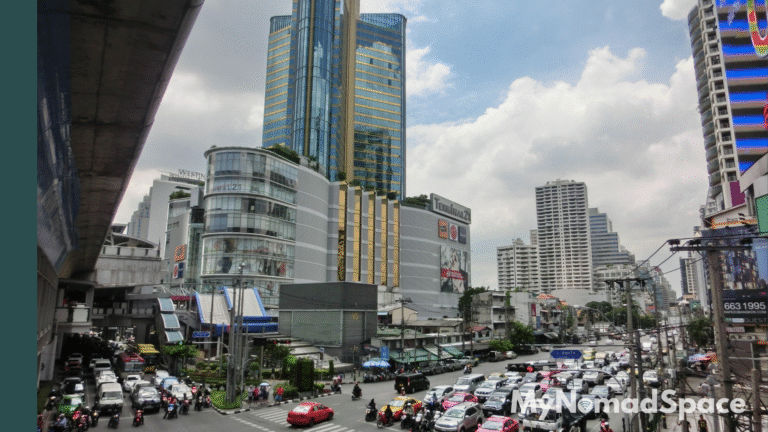
That said, if you’re open to stepping outside your comfort zone, the world truly is your oyster (we started our journey in Albania – somewhere we’d never been before!). And if you’re feeling unsure, heading to a well-established digital nomad hub – like Bangkok or Lisbon – can be a solid starting point. These cities already have the infrastructure like solid Wi-Fi, communities and coworking spaces in place, so you won’t feel like you’re doing it all alone.
What about visas?
One of the big questions for any aspiring digital nomad is: how do visas actually work when you’re working remotely abroad? Luckily, a growing number of countries are now rolling out dedicated digital nomad visas (over 40 of them!), making it easier to live and work in beautiful locations, without breaking any rules.
Thailand, for instance, has introduced the Destination Thailand Visa, which allows remote workers, freelancers and self-employed professionals to stay in the country for up to 180 days at a time, with the possibility of extension. Brazil also offers the VITEM XIV, a digital nomad visa that gives remote workers permission to stay for up to a year.
That said, you don’t always need an official digital nomad visa to work remotely in a country. Many digital nomads rely on visa-free stays or standard tourist visas – especially for shorter trips. If your work is entirely online and your clients or employer are based elsewhere, it’s often generally accepted, though always worth double-checking the local rules.

Essential tools every digital nomad needs
For the digital nomad lifestyle, you don’t need to be lugging around a suitcase packed with gear (although we found it easier than a super heavy backpack!), but you do need to have the right tools to stay productive and connected wherever you go. A few essentials will make your life way easier – like noise-cancelling headphones, a lightweight laptop that doesn’t weigh you down and cloud storage to keep everything accessible, even if you’re halfway across the world.
Oh, and don’t forget about security! A VPN, such as Express VPN (our personal favourite) is a must, especially when working from public Wi-Fi spots. Task managers like Notion or Trello are lifesavers for keeping your to-do list under control. And you’ll want reliable communication tools like Slack or Zoom for those important meetings and daily check-ins.
Since you’ll probably be hopping between time zones, a time zone converter app can be a game-changer when on the move. And, let’s talk about money. Apps like Wise or Revolut are perfect for managing multiple currencies, avoiding hefty fees and handling your finances with ease.
Staying grounded while on the move
Let’s be honest, the digital nomad life looks dreamy on Instagram. Beaches, laptops, coconuts… the whole thing. But behind the palm trees and pretty sunsets, it’s not always as easy or carefree as it seems. There are challenges, and it’s totally okay to admit that.
Travel burnout is real (it’s happened to us a couple of time!). Constantly moving, planning your next stay, booking flights, navigating visas and figuring out a place to stay with decent Wi-Fi – it can wear you down. And then there’s the loneliness. You might find yourself in a gorgeous city, but without your friends, your family or your routines. That stuff hits harder than you expect.
One of the best things you can do is build some kind of rhythm into your lifestyle. Even simple routines. Like a morning walk, a regular cafe to work from or blocking off downtime. It can make a huge difference. Staying connected with friends and family back home also matters. Schedule regular catch-ups or video calls, even if it’s just a quick chat.
Another big one? Find community. Whether that’s joining a coworking space, attending a meetup or hopping into online nomad groups, being around people who get it makes it all feel a lot less lonely. You’re not the only one out there doing this. And chances are, someone else is also looking for a coworking buddy or just someone to grab dinner with.
Lastly, don’t forget to check in with yourself. Mental health matters just as much on the road as it does anywhere else. Take breaks when you need to. Pause. Reset. This lifestyle should feel freeing, not draining. You’re building something bigger than just a job – you’re creating a life that’s full of choice, growth and experiences. And that’s something really worth looking after.

This article was updated on October 12th, 2026.